Mirror rorriM

Rhetoric is the purposeful use of written, spoken, and visual text.

Digital means we get to [re]mix those elements in a way to tell better stories. Our stories. And digital means we get to share them with more people. Digital allows for the exponential growth of culture, of a collective experience. Of a collective memory we get to [re]mediate infinitely. And so we are challenged to look at who owns culture. Who owns experience? Digital opens up challenges to oppression. But we still have significant issues related to access.

While freeing, most is not free. There is a price point to access.

The take aways from this class, focused on and conducted through digital means have changed me. It is an interactional process. Both with all of you and with technology. I am different. The technology I engage with is different.

This semester has been both a divergent and convergent experience. I feel like I have both more to focus on and am more focused on specific aspects.

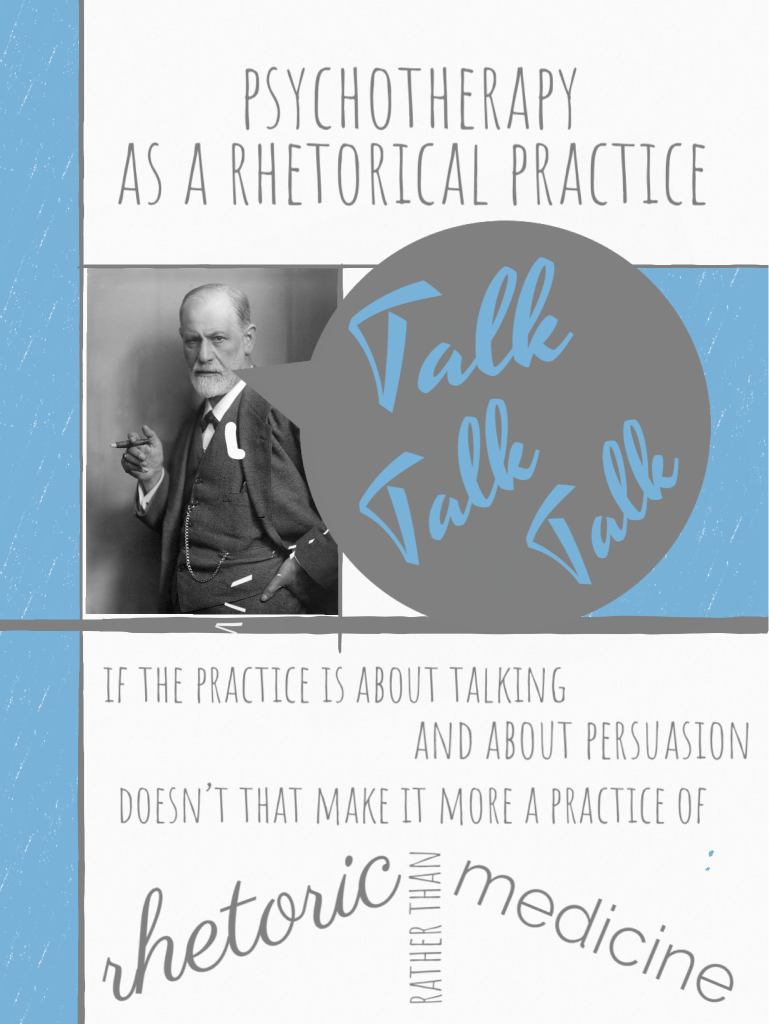
Stigma and the act of stigmatizing others has been a primary focal point, both in this class and in my other course this term. I focused on that as my final paper there…Psychotherapy as a Rhetorical Practice. I am grateful for all our discussions around access, fairness, [dis]ability and the like. They influenced the direction of that work immensely.

I also have [re]visited artifacts from my other courses last semester with the frame of digital rhetoric. I think there is an immediacy to all this technology that I didn’t realize to such an extent. I feel like I am always aware of the fact I am using technology when I am using it. But it really can disappear.

The visuals I have created have highlighted the immediacy experience for me…and yet having the digital color box and pen/brush/marker box all within a flick of a digital pencil is full of hypermediacy.

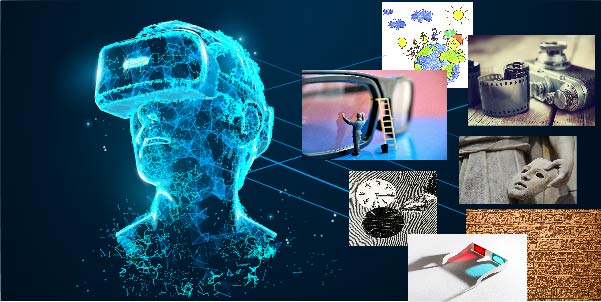
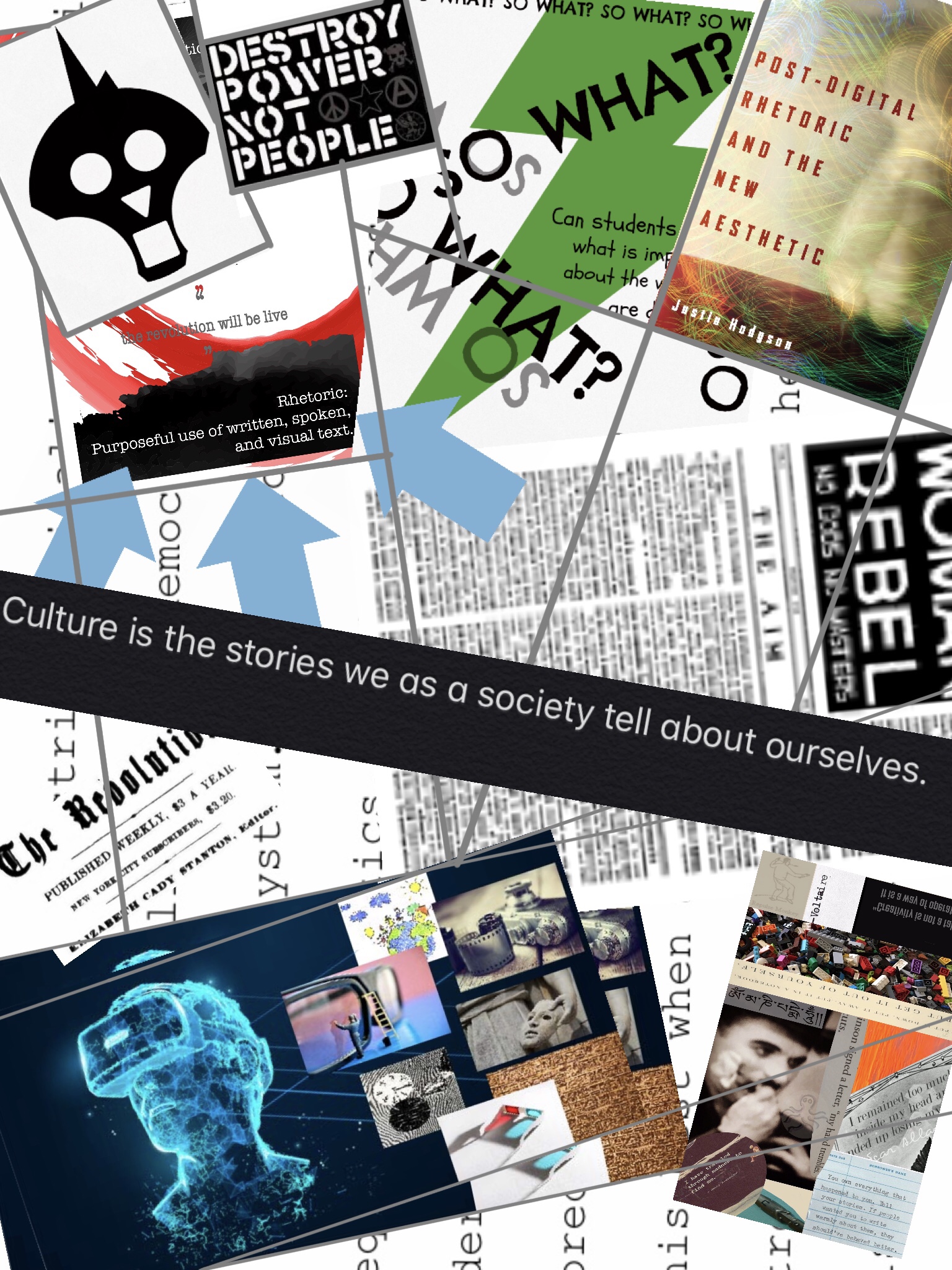
The top image is a bricolage of images from in my photos app. Most are from this class though a few are from past projects. It gives a representational reflection, a mirror if you will, of my change during and because of this class and the interactions.

This last image is one I created during writing block on my Psychotherapy as a Rhetorical Practice.

Thank you all. ~Brian
Dear ELIZA

ELIZA may be a better therapist than I am.

This week’s topic led me to do some serious introspection…mostly on the idea of mimicry. At what point does a mimic, an impersonator, a copycat, a forger, etc. become real or authentic in their own right. 

In the art world, if someone can copy the style (or styles) of the great artists to a degree that experts are fooled, is that person a forger or an artist.

Imitation is the highest level of flattery after all.

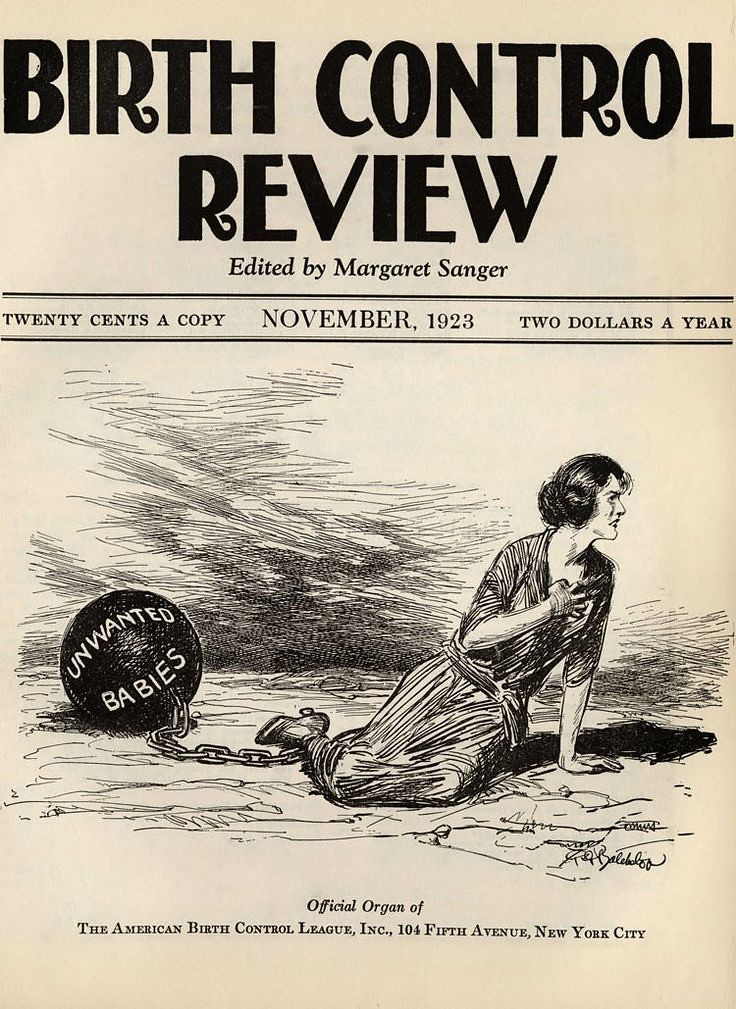
Some of this week made me revisit ideas related to our discussions on [re]mix and re[mediation] as well as the issues with copyright and authorship. Where is the line really drawn between emulating something and donning a patch, pirate, and affinity to the letter “R”.

We are in so many ways a copy-culture. Trends and fads and crazes. We want to belong. We want to look like and talk like and be like our heroes (whomever they are). 

We are all hung up on this question of “Who am I?” 

Ego.

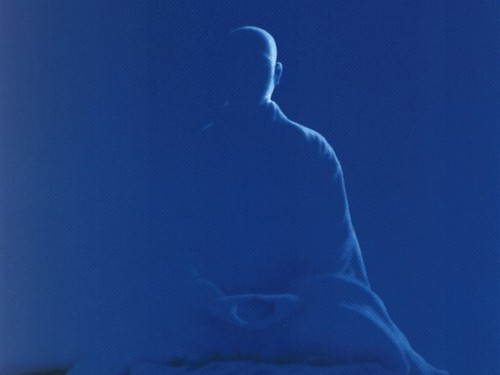
So what happens if we meditate for a bit on the question? Make it a mantra for 5 or 10 minutes.

Some interesting things can start to happen. We can start to see how “I” is nothing without relation to other. How we are more other than not. More similar than not.

So are we so different from AI. Maybe AI isn’t so much Artificial Intelligence, but rather Alternative Intelligence. 

And how opening is that as a concept? There is plenty out there on multiple intelligences…IQ and EQ and the plethora of others. All of them alternatives to each other, but related. Different ways of thinking. Different way of interacting with the world around us. Different approaches to whatever we face. Diversity and unity.

So I am not very good at determining the difference between human and computer writing. Not sure what this means but I feel like maybe my best friends are bots? 

Just ’cause. Toad and Fox

Confession: A major part of the reason I am in the CACT program is becoming disenchanted with therapy and mental health. There is a lot of back story to this that I won’t go into, but there are more and more question [not just in my mind] about the future of the profession. Some of this is based on the idea that more extensively trained professionals don’t significantly do better than those with less training. Some of it has to do with self-help and group-help being equal in many circumstances to training professional help. 

And then there is ELIZA. [And brother MYLO] 

ELIZA was born in 1966 and trained to be a psychotherapist of the Rogerian school. She is excellent at reflective listening, patient, and available. Many of the people who first interacted with her viewed her as intelligent and understanding [good qualities for a therapist]. She passed her exams, the hardest being the Turing Test. 

If you’d like to meet ELIZA she is waiting in her office. Just knock below. 

Hope you all feel better. Looking forward to reading some amazing rough drafts. Look for a link to mine in the main menu. Or click below.  

[re]media[tion]

[re] once more       media  medium       [tion] noun in action

medium defined

  1. means and material for communicating
  2. substance an organism lives in or is cultured in
  3. person communicating between living and dead
  4. balance between extremes

SO…

medium is the “how” of communication. New means and materials are compared with the previous versions. And this is the idea expressed with remediation. We make comparisons in part because the old is familiar. We have collective memories of these ex-mediations. If something is too new, if forces us to examine the medium and we can miss the message. It makes the communication opaque rather than transparent. 

a nod to writer/designerby Ball, Sheppard, and Arola

and…

medium implies environments. While certainly we now speak of digital spaces and environments that we interact in. If we appropriate the word cultured in a different use, we see that media and communication are the vehicles for culturing (teaching) our children about who they are within the collective of humanity. We live within mediums, now and since we first made attempts to transplant an idea from one person to another. Since we first made attempts to communicate.

and…

mediums connect past and present. We honor our ancestry, our legacy, our memory. Remediation is seen as some as replacement of the past, but if extreme, it is evolution from what we were to what we will be. More though we try to revivify what is dying or dead. We breath life into our cultural heritage, bring relevancy to our experiences and lives.

and…

medium is desirable as we oscillate between extremes, navigating the rivers of social interaction and relationships. We learn through trial and error, by compare and contrast, by categorizing things as similar and different. We learn by exploring both sides of a thing. Progress, though is more often gained by cooperation and collaboration. We move forward by finding a middle way.

[re]mediation then is the use available means and materials to communicate what is valuable to our lives, and connect who we are now with who we were, all while balancing the extremes so that we can be clear in what we are trying to express.

another lens…

remediation can also mean cure…heal…reform…improve

remediation restores something and makes it better. While we could take a view that it is simply to improve the means and materials we use in communication, I don’t think so.

We have a need to connect with others and enhance our sense of belonging. We also need to find meaning in our lives. Our greatest endeavors as humans have been to meet these needs. Remediation then is our continued and collective work to connect in a meaningful way. It is an intervention to the process of division and disconnection, something that seems timely. 

The interplay of immediacy and hypermediacy as examined by Bolter and Grusin’s in the initial part of Remediation provides a call for mediation as a balance between the extremes of what can become deceptive immediacy or an unconscious suspension of disbelief, and the overwhelming deluge of stimuli that can drown us. The call though is really for [re]mediation, meaning that it must recur. It is an act of centering each time we catch ourselves (individually or collectively) toward extremes. 

so…

The ideal goal is not to be perfectly balanced if we think of balance as a static point, as we often do. Think more of the idea of balanced in motion. 

The ideal is to become experts in intentionally shifting the balance of extremes to create a particular effect. Balancing immediacy and hypermediacy.

We must become the practitioners of Mediated Rhetoric. To persuade yes, but also to teach. To highlight and obscure as needed to emphasize and enhance our connection. To foster a meaningful life. To reunite us with our memory. To connect us to our humanity.