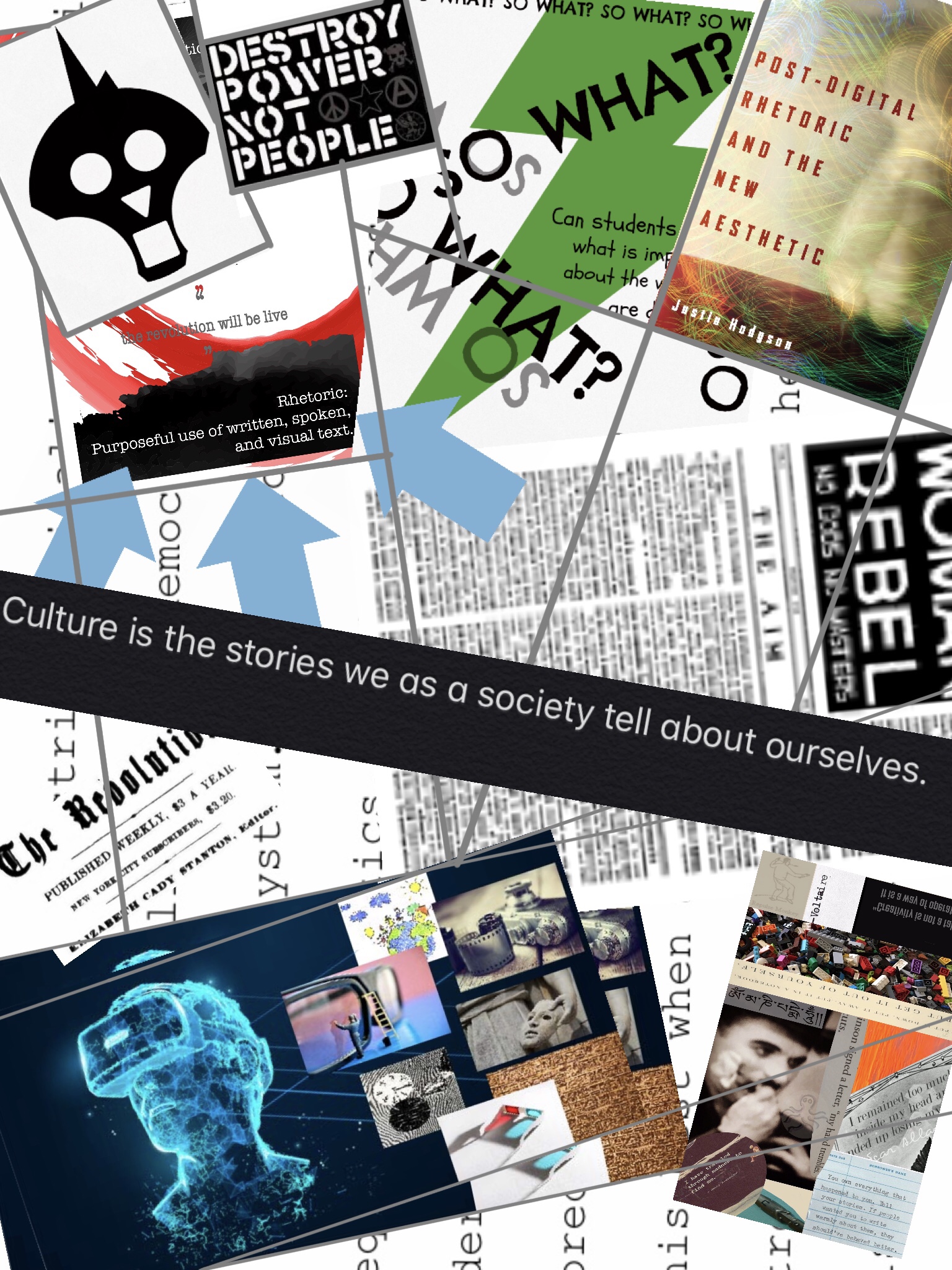
Mirror rorriM

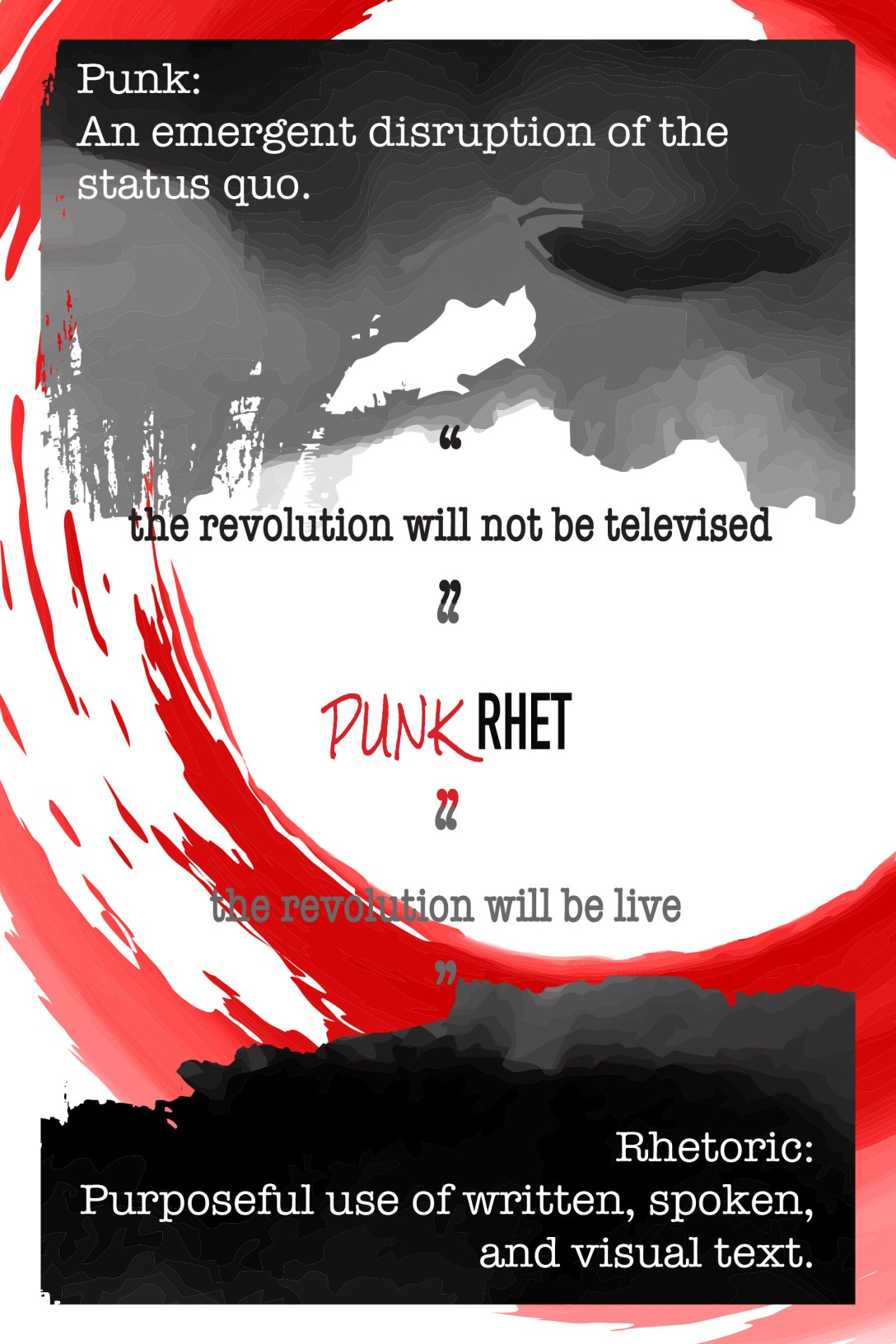
Rhetoric is the purposeful use of written, spoken, and visual text.

Digital means we get to [re]mix those elements in a way to tell better stories. Our stories. And digital means we get to share them with more people. Digital allows for the exponential growth of culture, of a collective experience. Of a collective memory we get to [re]mediate infinitely. And so we are challenged to look at who owns culture. Who owns experience? Digital opens up challenges to oppression. But we still have significant issues related to access.

While freeing, most is not free. There is a price point to access.

The take aways from this class, focused on and conducted through digital means have changed me. It is an interactional process. Both with all of you and with technology. I am different. The technology I engage with is different.

This semester has been both a divergent and convergent experience. I feel like I have both more to focus on and am more focused on specific aspects.

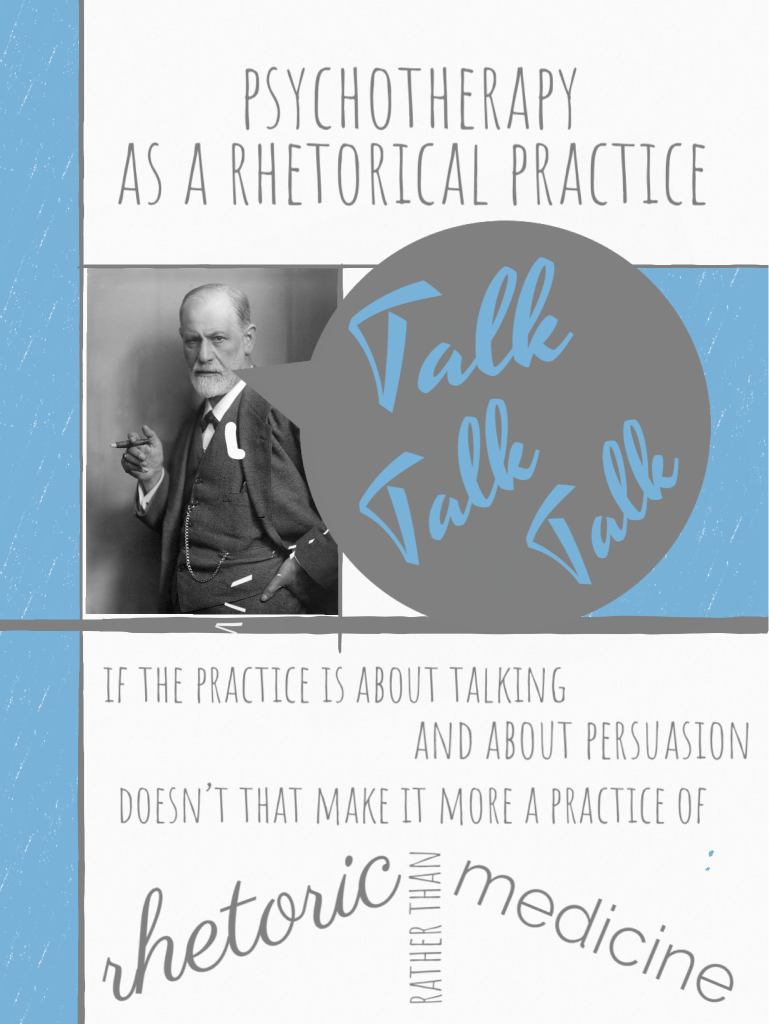
Stigma and the act of stigmatizing others has been a primary focal point, both in this class and in my other course this term. I focused on that as my final paper there…Psychotherapy as a Rhetorical Practice. I am grateful for all our discussions around access, fairness, [dis]ability and the like. They influenced the direction of that work immensely.

I also have [re]visited artifacts from my other courses last semester with the frame of digital rhetoric. I think there is an immediacy to all this technology that I didn’t realize to such an extent. I feel like I am always aware of the fact I am using technology when I am using it. But it really can disappear.

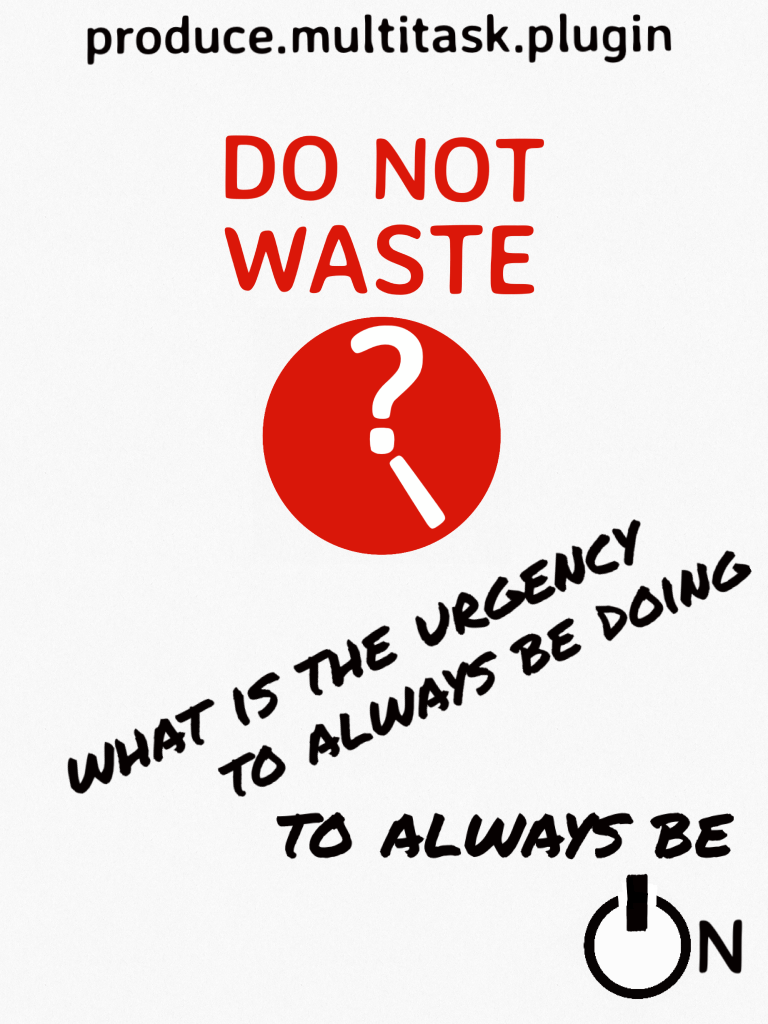
The visuals I have created have highlighted the immediacy experience for me…and yet having the digital color box and pen/brush/marker box all within a flick of a digital pencil is full of hypermediacy.

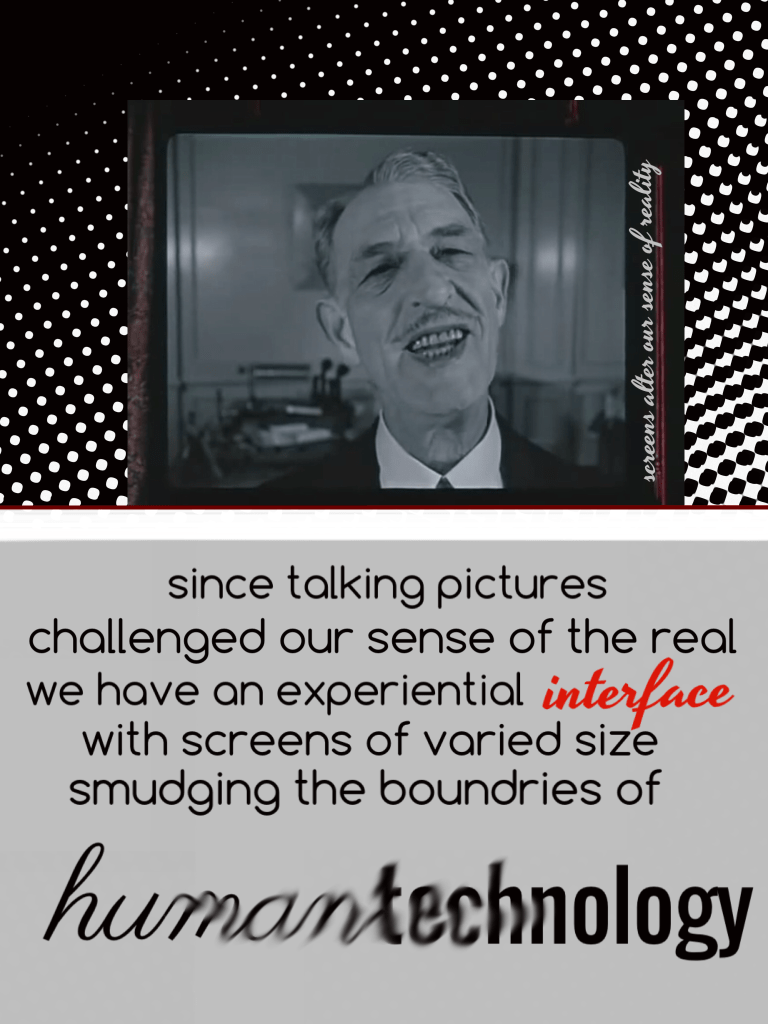
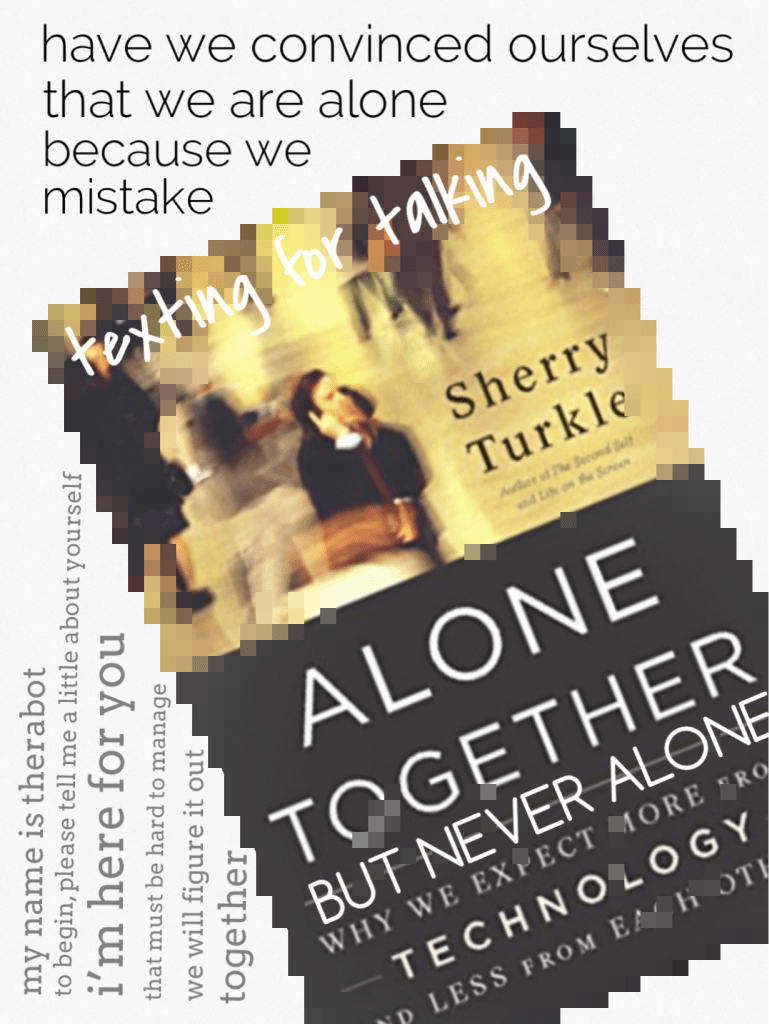
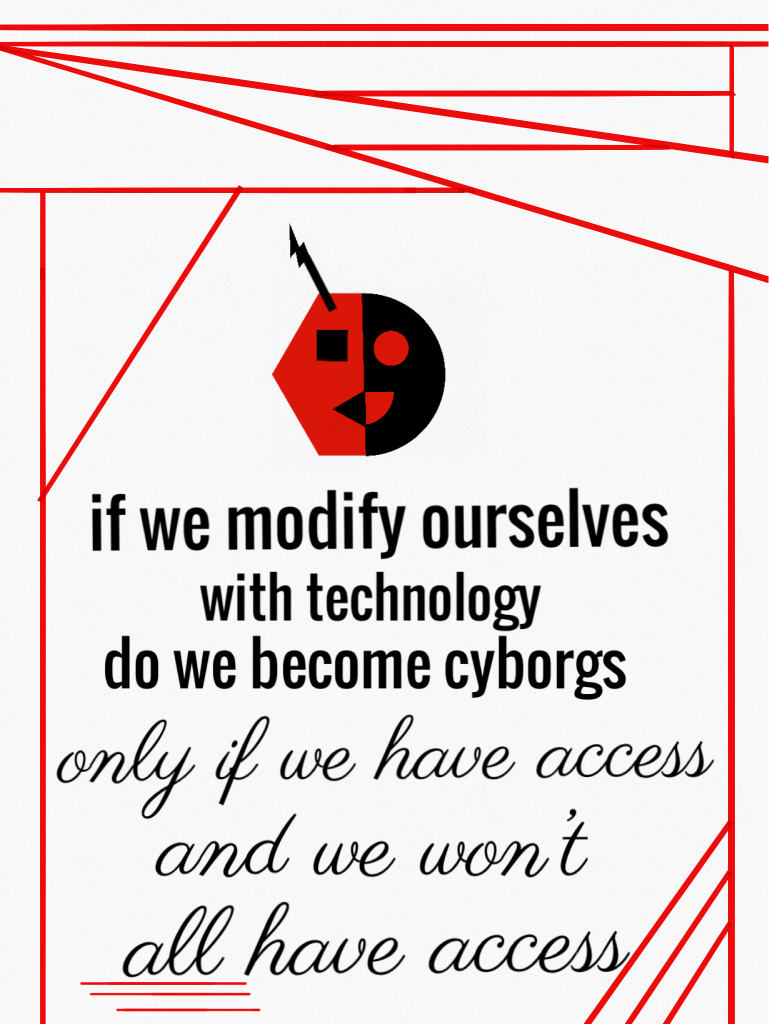
The top image is a bricolage of images from in my photos app. Most are from this class though a few are from past projects. It gives a representational reflection, a mirror if you will, of my change during and because of this class and the interactions.

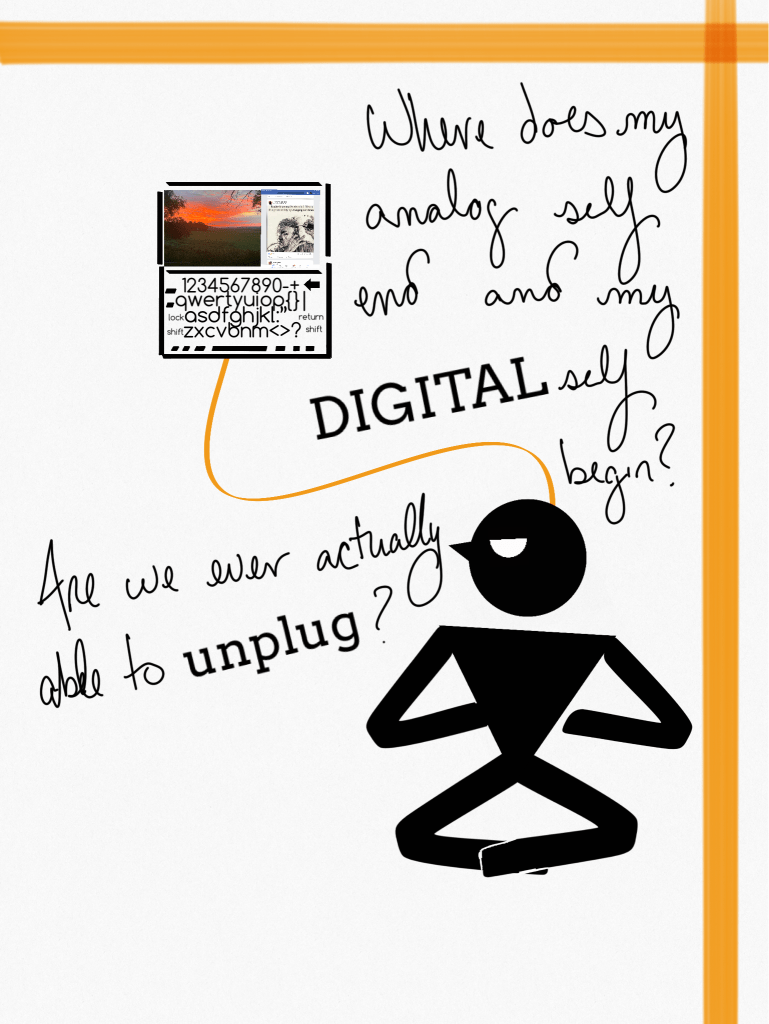
This last image is one I created during writing block on my Psychotherapy as a Rhetorical Practice.

Thank you all. ~Brian
Dear ELIZA

ELIZA may be a better therapist than I am.

This week’s topic led me to do some serious introspection…mostly on the idea of mimicry. At what point does a mimic, an impersonator, a copycat, a forger, etc. become real or authentic in their own right. 

In the art world, if someone can copy the style (or styles) of the great artists to a degree that experts are fooled, is that person a forger or an artist.

Imitation is the highest level of flattery after all.

Some of this week made me revisit ideas related to our discussions on [re]mix and re[mediation] as well as the issues with copyright and authorship. Where is the line really drawn between emulating something and donning a patch, pirate, and affinity to the letter “R”.

We are in so many ways a copy-culture. Trends and fads and crazes. We want to belong. We want to look like and talk like and be like our heroes (whomever they are). 

We are all hung up on this question of “Who am I?” 

Ego.

So what happens if we meditate for a bit on the question? Make it a mantra for 5 or 10 minutes.

Some interesting things can start to happen. We can start to see how “I” is nothing without relation to other. How we are more other than not. More similar than not.

So are we so different from AI. Maybe AI isn’t so much Artificial Intelligence, but rather Alternative Intelligence. 

And how opening is that as a concept? There is plenty out there on multiple intelligences…IQ and EQ and the plethora of others. All of them alternatives to each other, but related. Different ways of thinking. Different way of interacting with the world around us. Different approaches to whatever we face. Diversity and unity.

So I am not very good at determining the difference between human and computer writing. Not sure what this means but I feel like maybe my best friends are bots? 

Just ’cause. Toad and Fox

Confession: A major part of the reason I am in the CACT program is becoming disenchanted with therapy and mental health. There is a lot of back story to this that I won’t go into, but there are more and more question [not just in my mind] about the future of the profession. Some of this is based on the idea that more extensively trained professionals don’t significantly do better than those with less training. Some of it has to do with self-help and group-help being equal in many circumstances to training professional help. 

And then there is ELIZA. [And brother MYLO] 

ELIZA was born in 1966 and trained to be a psychotherapist of the Rogerian school. She is excellent at reflective listening, patient, and available. Many of the people who first interacted with her viewed her as intelligent and understanding [good qualities for a therapist]. She passed her exams, the hardest being the Turing Test. 

If you’d like to meet ELIZA she is waiting in her office. Just knock below. 

Hope you all feel better. Looking forward to reading some amazing rough drafts. Look for a link to mine in the main menu. Or click below.  

hybrids

first, I want to give everyone the link to my bibliography.

second, I hope everyone is doing well. I look forward to seeing rough drafts in the near future and to see how everyone’s projects are coming together.

and third, I have again ventured into the graphic commentary of the facilitation this week. There are a few more words with some of the images this week. I look forward to the feedback. I am trying to find the balance I need to best communicate and push inquiry.

Image et Word

Photo by Pixabay on Pexels.com

We draw before we write. We understand visuals and symbols before we understand words. Images for me have greater emotive power. There is greater interaction and association. It is the reason metaphors can be so powerful. If a metaphor allows us to hold two ideas in one, then visuals allow us to hold myriad ideas in a single image. 

<>< <>< <>< <>< <>< … ><>

Photo by Mat Brown on Pexels.com

So we start with image, maybe even think in images more than words. And really we just change the medium of the language…a visual symbol for a more abstract one. Letters in many ways have great utility. 26 symbols (52 if we go for uppercase) plus some punctuation and we can communicate thought and feeling and imagination. 

Still, a stick person gets the job done in fewer strokes. And while writing and words work for expression, images can often do so in a quicker manner. 


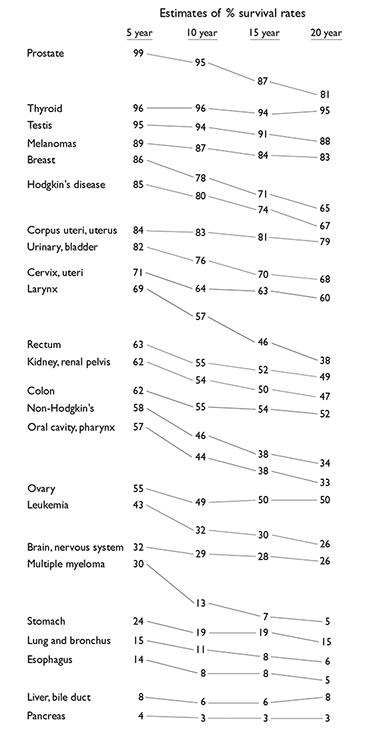
Infographics in many ways try to capture the usefulness of both words and image, but as simple as it would seem to combine them it often ends up in a mess. Even most of the stripped down versions displayed in the Tufte excerpts still remained visually overwhelming. The exception would be data set with cancer survival rates. This gave a subtle visual clue to enhance the information, which is the reason for graphic display of data.

https://www.edwardtufte.com/bboard/q-and-a-fetch-msg?msg_id=00040Z

The 13 Reasons sliding infographic was too distracting for me to really process the information in a meaningful way without effort. If the purpose of infographics is to make information more digestible, fun to share, and extremely engaging, then for me this presentation failed. 

The article, cited in the 13 Reasons, on the use of brain images having a persuasive aspect in regard to articles on neuroscience was enlightening. It speaks to the idea of how images can be used to elevate the credibility of what is being said, even if they may in reality may not be relevant to the discussion. Chartjunk could at times fit into this category and become a base form of digital rhetoric, used to deceive and manipulate.

brain images are influential because they provide a physical basis for abstract cognitive processes, appealing to people’s affinity for reductionistic explanations of cognitive phenomena

I enjoyed David McCandless’s TED Talk and agree with his idea of how data presentation can be beautiful. I was intrigued by how infographics can be useful in changing mindset by presenting vast amounts of information in more accessible formats that even allows for better analysis of the information. In a brief perusing of the website information is beautiful, there were many examples of infographics used to great effect. While the interactive nature of many of them increases their usefulness and demonstrated attention and consideration given to the end user/audience, I still found them data-dense and question how much information I would take with me after viewing them. Still, they do have an appreciable aesthetic. 

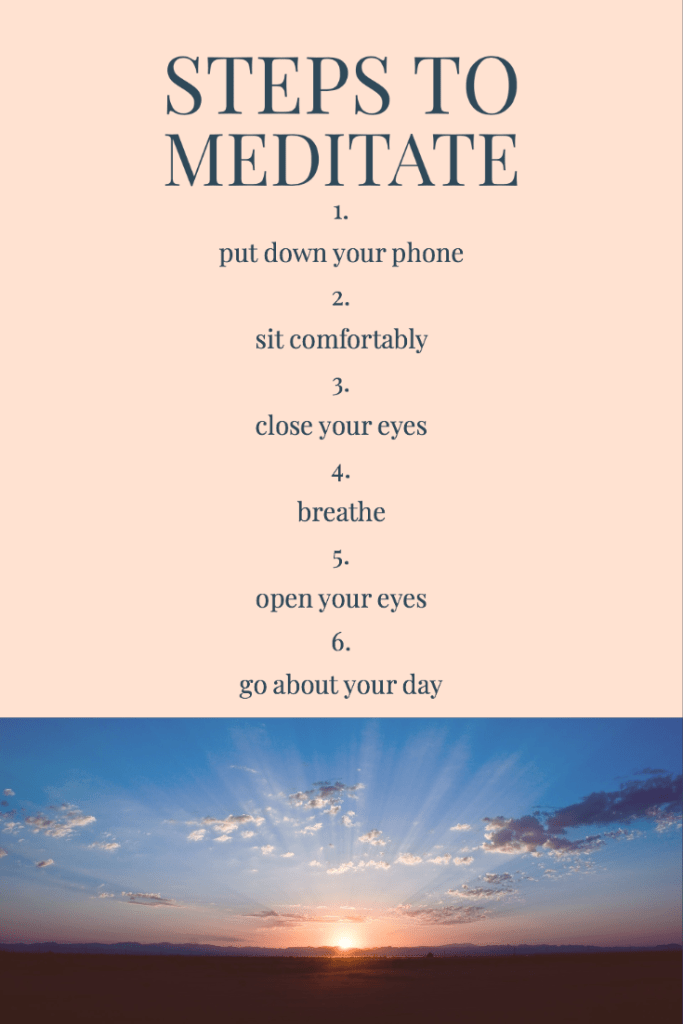
Here is an infographic I made a number of years ago for my counseling practice. While it isn’t necessarily great, it was received well by my target audience and kept things simple enough to be useful.

I have been trying to recall my first encounter with a modern infographic and can’t. I can imagine thinking they were amazing and a unique way of communicating because some still elicit this response. But only some. Most don’t. They are just so much noise and I tune them out. They have become so common and mainstream that they barely register as information. Maybe I am craving simple, or maybe what I am craving is more interaction with the information. Generally speaking though I have the same shudder when seeing an infographic as I do when someone pulls up their powerpoint presentation.

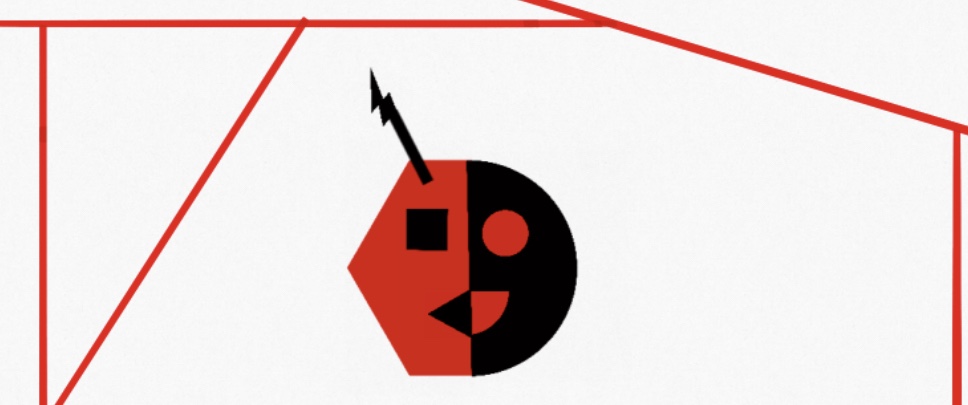
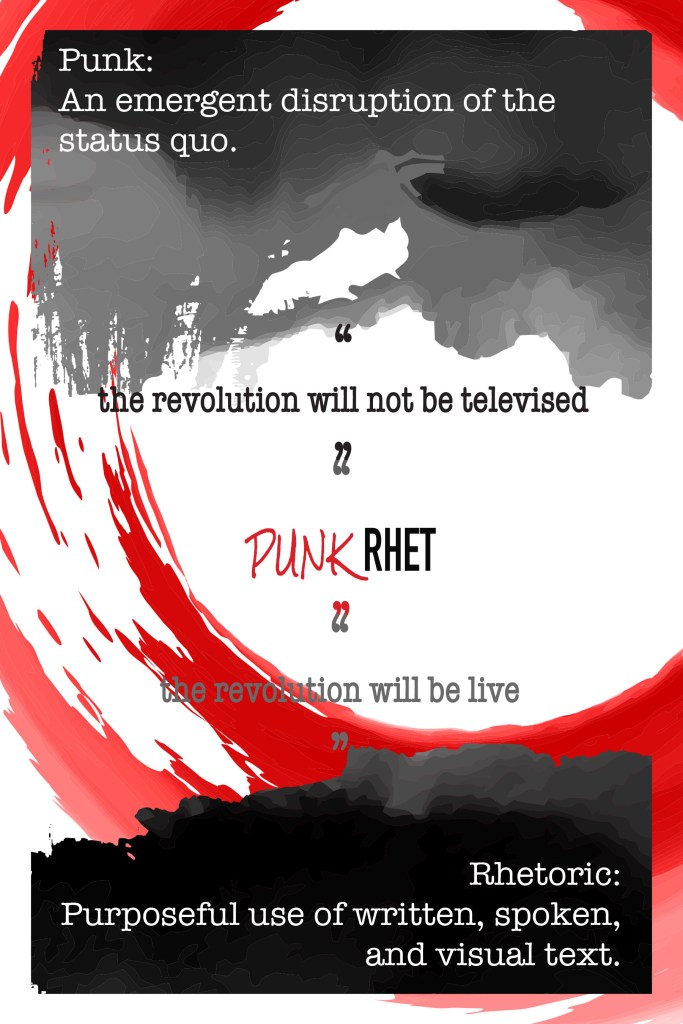
Going along with my project I was playing around with spark just for a bit of fun and made this graphic. I was trying to hint a bit at the old punk posters of the day and to keep a simple and brief message: “Rise Up” and “Destroy Power Not People” 

Thanks for visiting.

Pirates of the Sea

I found the image above by searching Creative Commons for an image of a pirate. It has a CC license. To use it a person must give attribution, use it for only noncommercial purposes and it has a share alike tag meaning that derivatives must have an identical license as the original work.

Here’s a bit of an interesting video. It’s like they’re speaking my thoughts.

You know you want 
to Touch 
the booty. 
Come on. 
Touch it. 
I dare you. 
Just one little touch 
you scurvy dog.

Book Review

My review of Post-Digital Rhetoric and the New Aesthetic by Justin Hodgson is now available. You can access it through the menu or here. My intended journal is Kairos. The password to enter is the same that we use to access our class schedule. If you have questions let me know. ~Brian

*Additional note. You should be able to access this without signing up for anything. If you are not able to let me know an I’ll fix the link. Ideally I would have published and embedded the map so it was interactive on the blog…but I didn’t want to jeopardize the opportunity to publish on Kairos or potentially elsewhere.

facilitation

Hi everyone. I wanted to post a quick note of appreciation to everyone for the thoughtful engagement with both the Hodgson piece and with the writer/designer text. Everyone found/created such great examples, stepping into the conducer roles with text and analysis shared with with class. I encourage you to take the time to explore the examples shared, they are well worth the experience for helping the shape our understanding of remix and digital rhetoric as a cultural shift from the binary of producer and consumer to the hybrid…continuum between those poles.

Photo by freestocks.org on Pexels.com

I did want to share one more find that I think adds to the writer/designer material. For me it helped to articulate the process of composing visuals that have impact. He touches on the idea of audience and our need to step out of our ‘writer’ perspective and into the ‘reader’ perspective as we are engaging in the process.

Again, thank you for your thoughtful posts this week. I look forward to the discussions during the rest of the week.